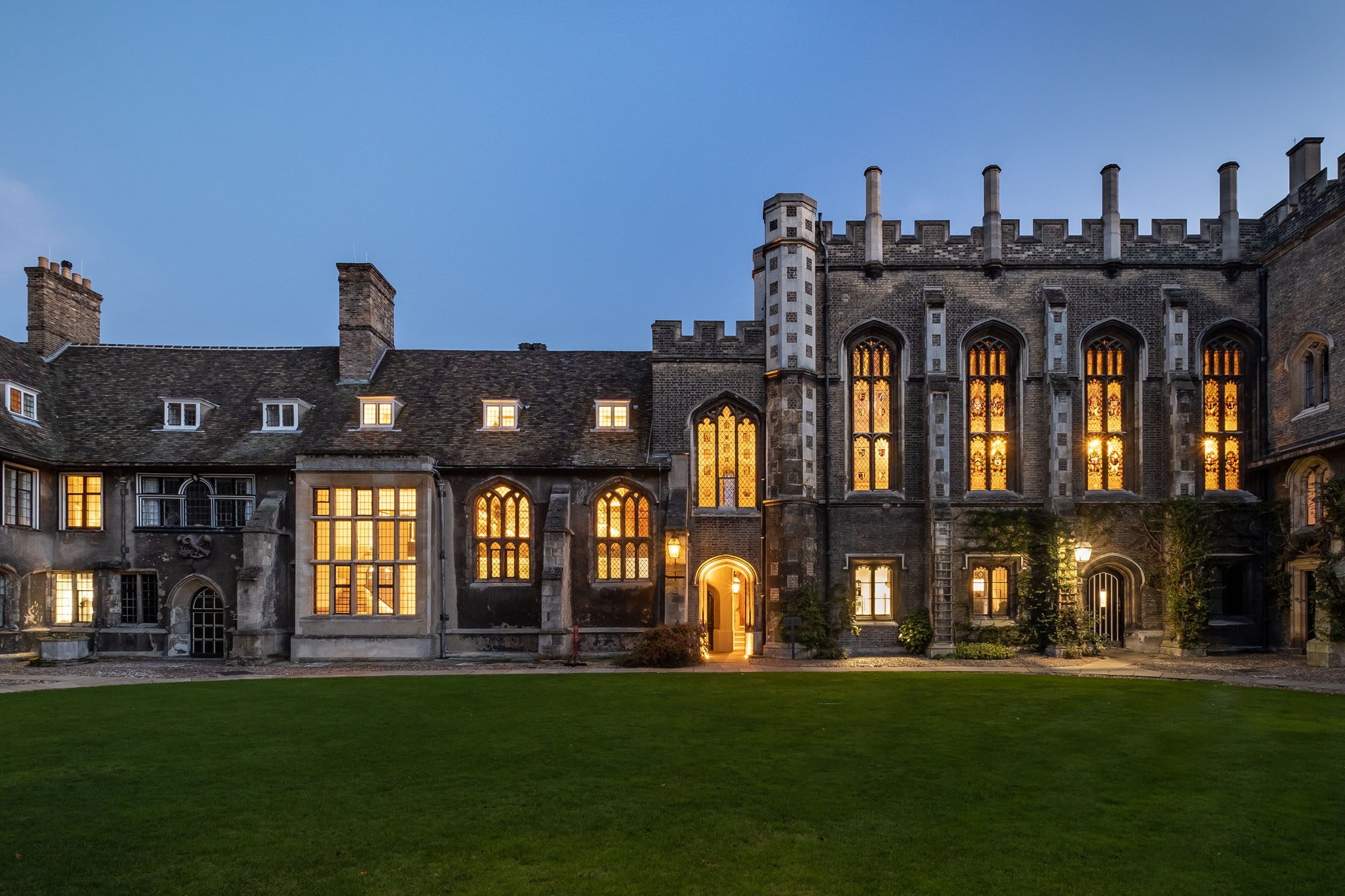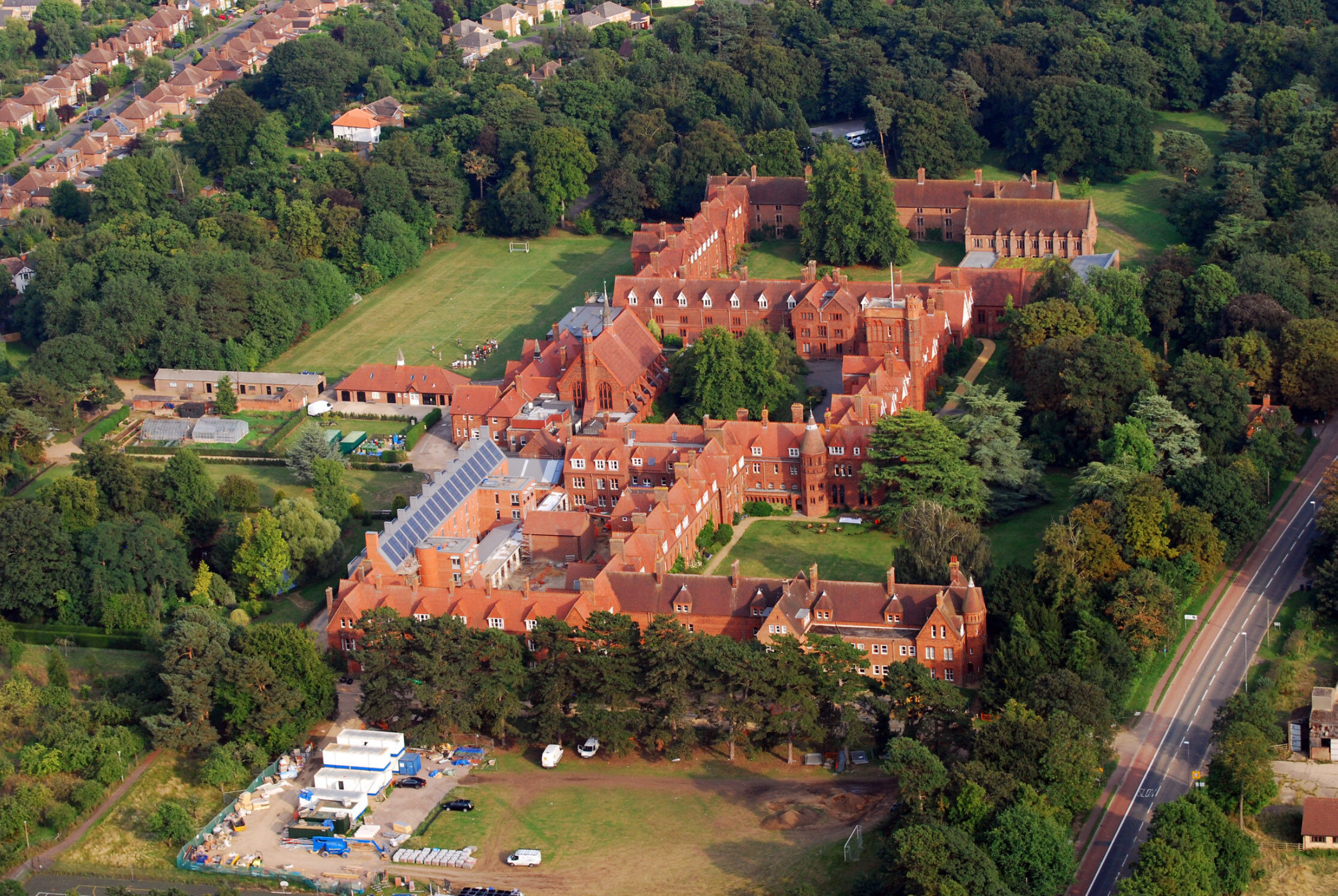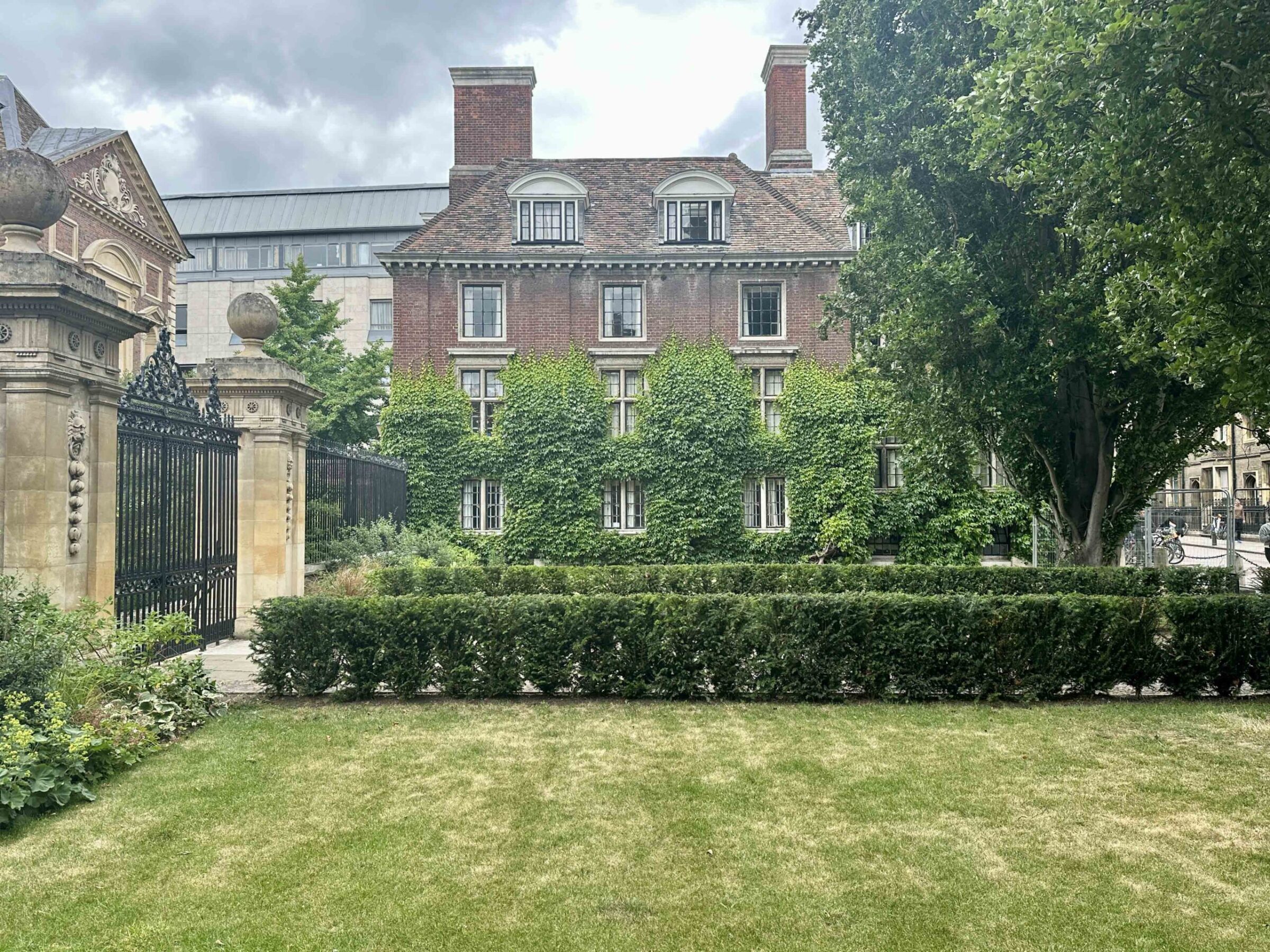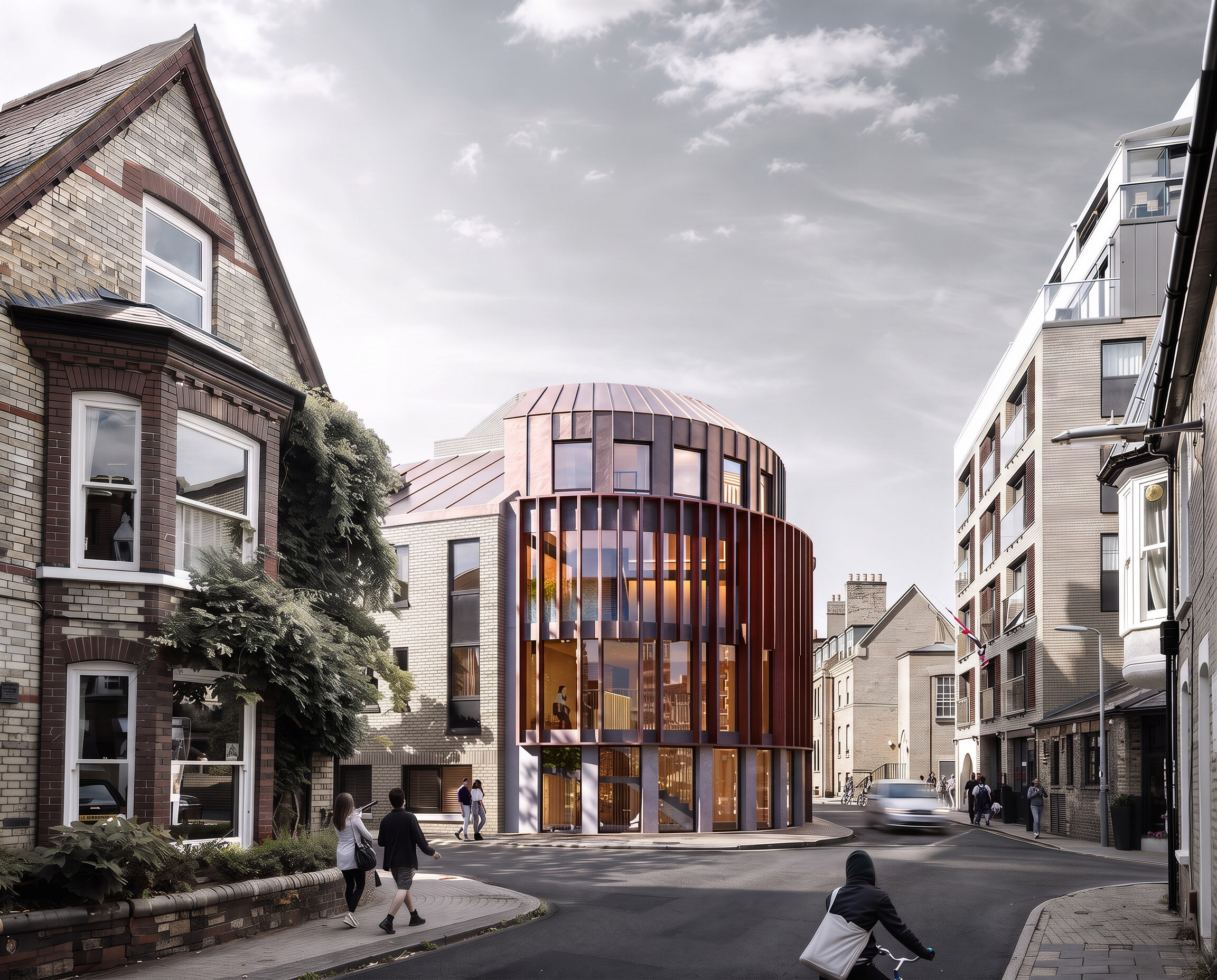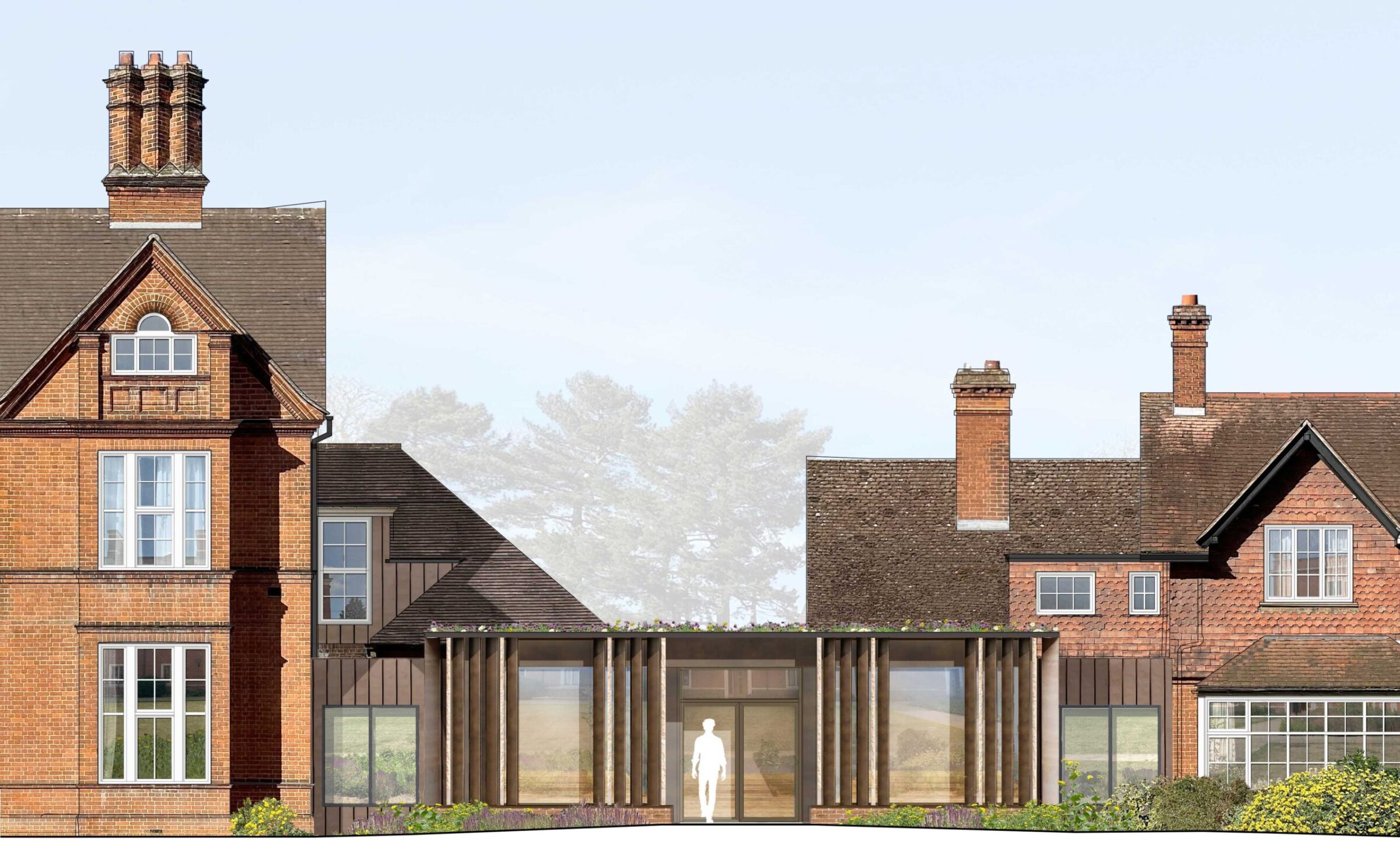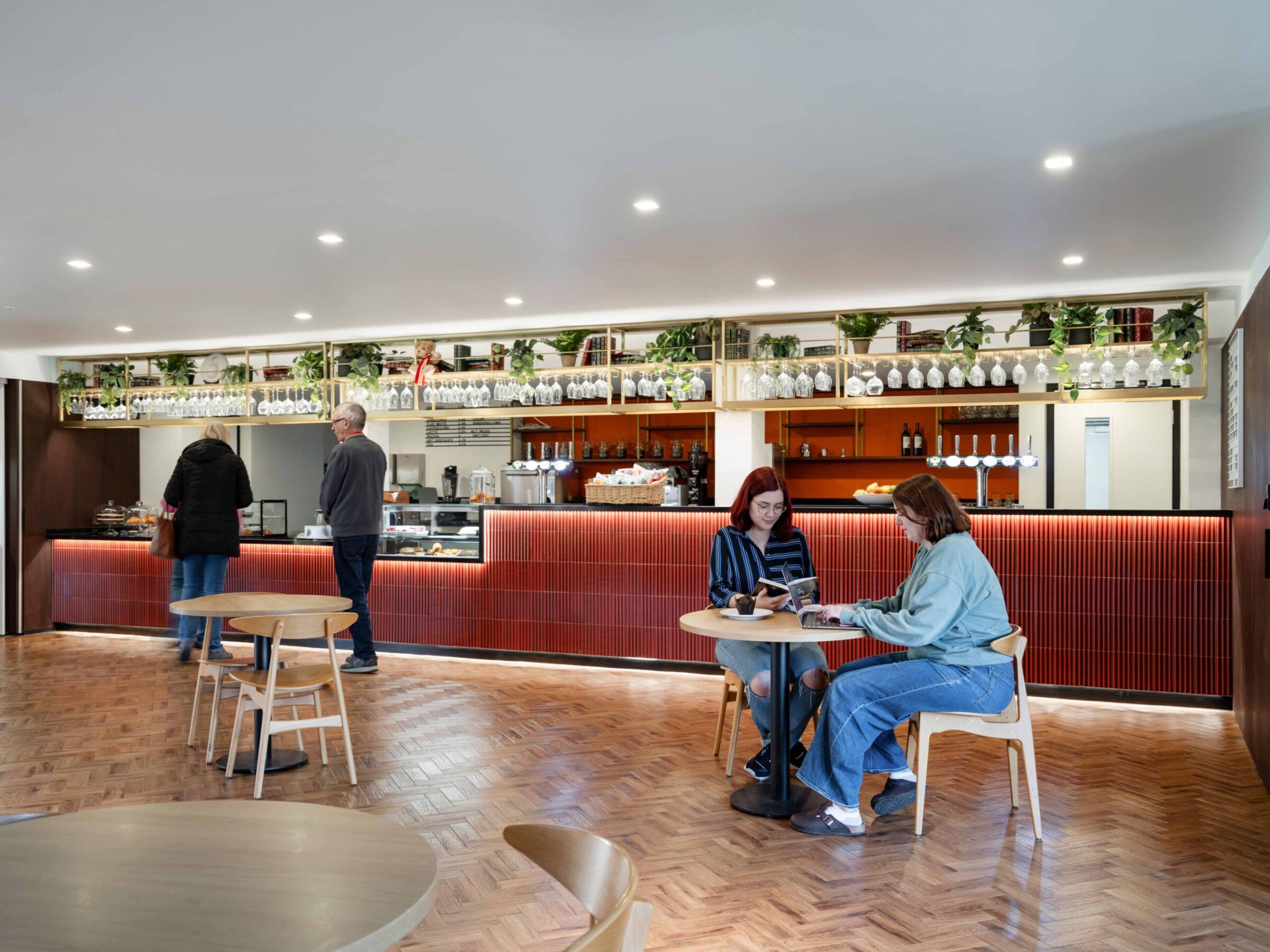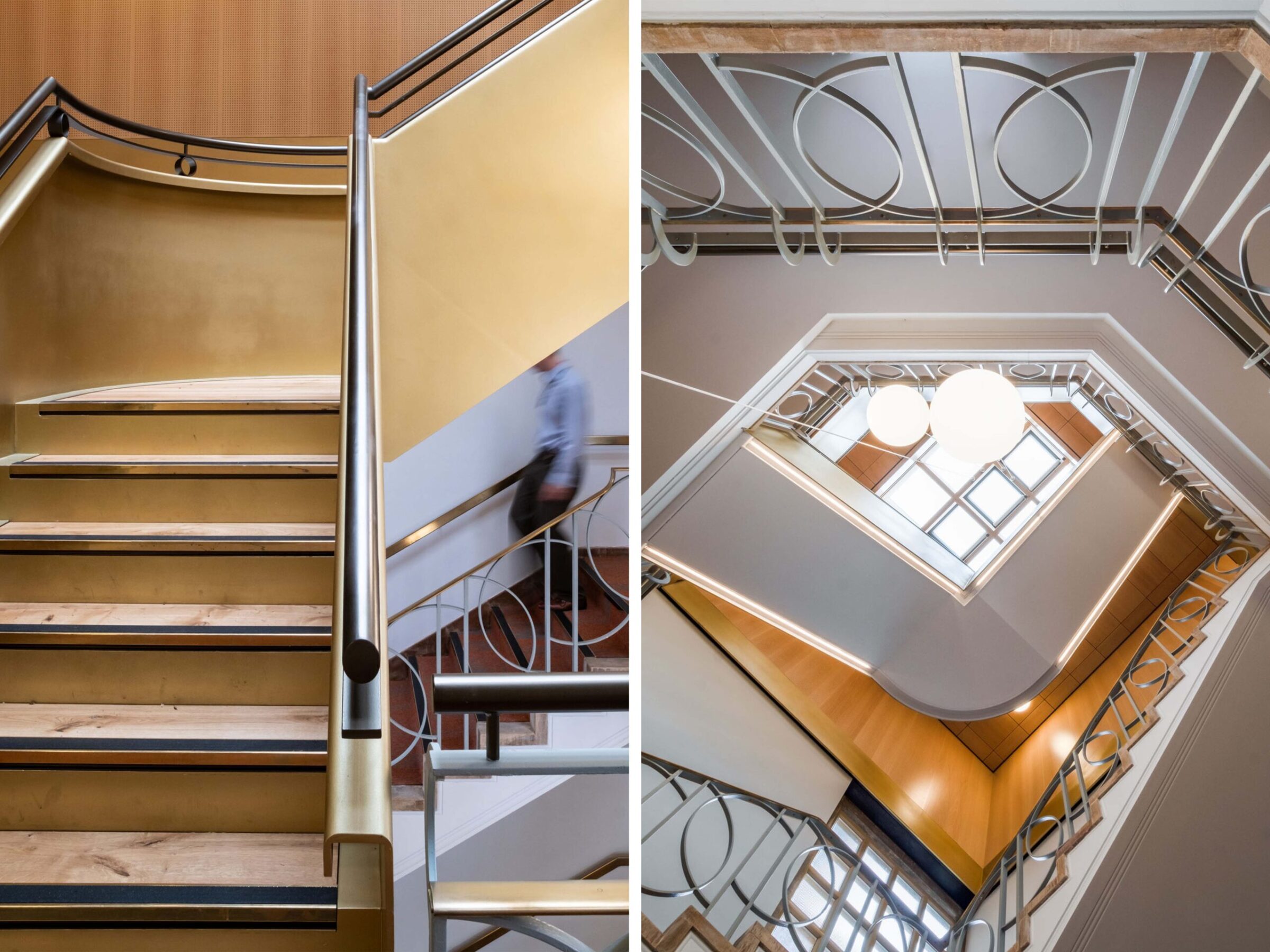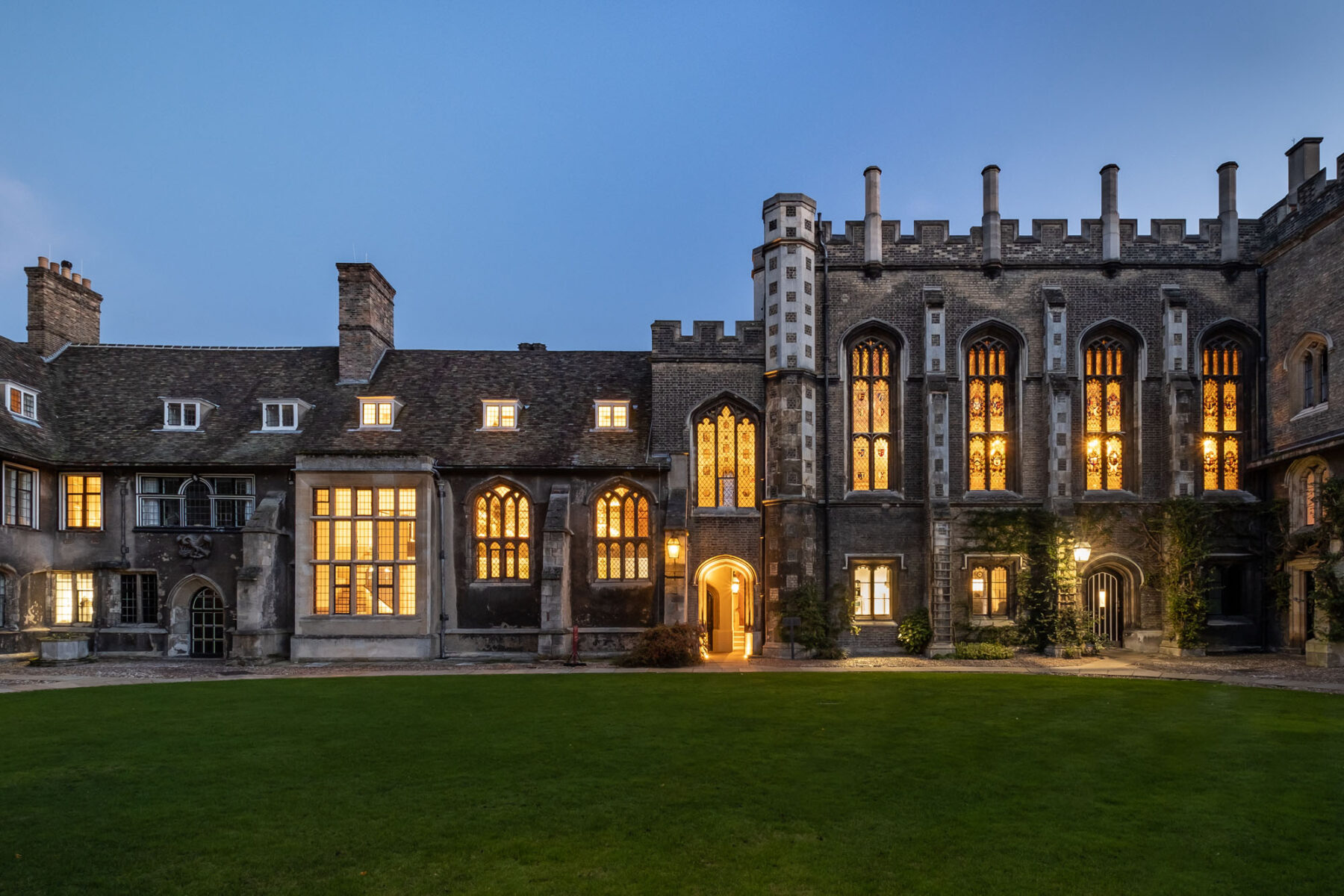
Owers Warwick Architects has developed a distinctive approach to decarbonisation within the historic environment of Cambridge Colleges. Working across some of the city’s most significant academic estates, the practice combines heritage expertise with innovative environmental design to help colleges reduce carbon emissions while preserving the architectural character that defines Cambridge.
Decarbonising and upgrading historic buildings to meet modern environmental standards presents unique challenges. Owers Warwick Architects carefully balance conservation, performance and long-term value, focusing on fabric improvements, upgraded services and passive energy strategies that enhance comfort and efficiency while respecting historic significance.
This approach has delivered measurable carbon reductions across a range of college projects. At Wolfson College, the practice led de-gasification works through the installation of air source heat pumps, including one of the country’s first examples of heat recovery within a college kitchen. Projects at Trinity Hall and Selwyn College have incorporated low-carbon heating systems, improved windows and enhanced building performance, while refurbishment works at King’s College have improved thermal efficiency and reduced embodied carbon through the careful integration of modern construction techniques with existing structures.
Central to every project is a detailed understanding of building performance. Assessments of heat loss, fabric condition and energy demand inform targeted interventions that maximise carbon savings while minimising impact on heritage assets. Through close collaboration with bursars, estates teams and college communities, Owers Warwick Architects continues to demonstrate how historic buildings can contribute to a resilient, low-carbon future, recognising that the most sustainable buildings are often those already in existence.